
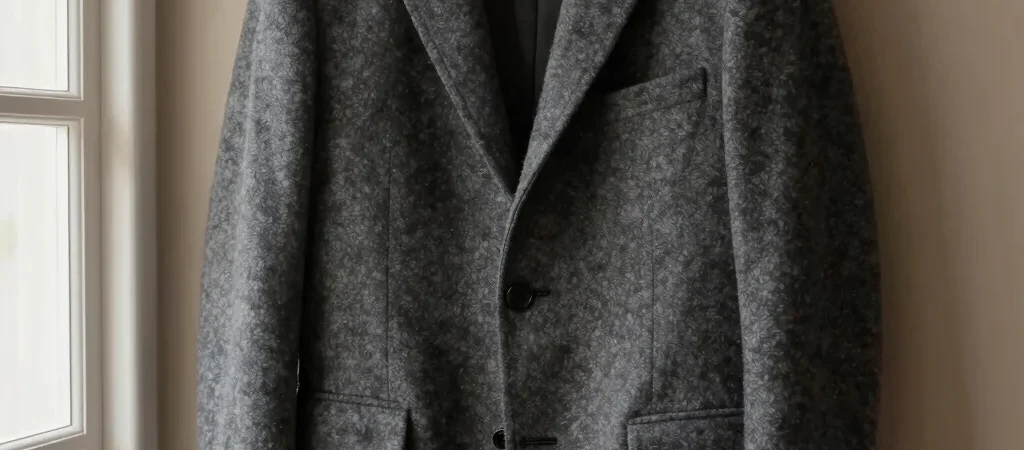
As temperatures fall, tailoring transitions from lightweight linens to fabrics defined by heft, warmth, and texture. Wool flannel stands apart for its soft hand and ability to absorb light rather than reflect it, offering a subdued depth that glossier fabrics cannot match. Investing in a proper winter jacket requires looking beyond color to appreciate the weight of the weave.
Understanding Weight and Fabric Softness
Heavyweight woolen flannel, typically ranging from thirteen to sixteen ounces, drapes with a natural authority that smooth worsted wools struggle to replicate. The brushing process creates a subtle nap, trapping air for warmth while softening the garment's silhouette. This structural weight allows trousers to hang cleanly without clinging, maintaining crisp lines throughout a day of movement.
Tailoring Without Excessive Padding
Because woolen flannel possesses inherent substance, heavy internal canvas and shoulder padding become redundant. Soft shoulder construction allows the fabric to mold naturally over the collarbone and arms, creating an unforced profile. This balance of heavy cloth and light structure provides exceptional comfort without sacrificing sartorial rigor.
Caring for Wool Fabric Over Decades
A well-made flannel jacket rewards deliberate care rather than constant dry cleaning. Brushing the cloth with a natural horsehair brush after wearing removes surface dust and lifts the nap, preserving the textile's rich hand. Allowing the garment to rest between wearings ensures that high-quality wool recovers its shape for years to come.